
Jobs Report, Oil Prices, and Mortgage Rates: What the Latest Economic Signals Mean for the Housing Market in 2026

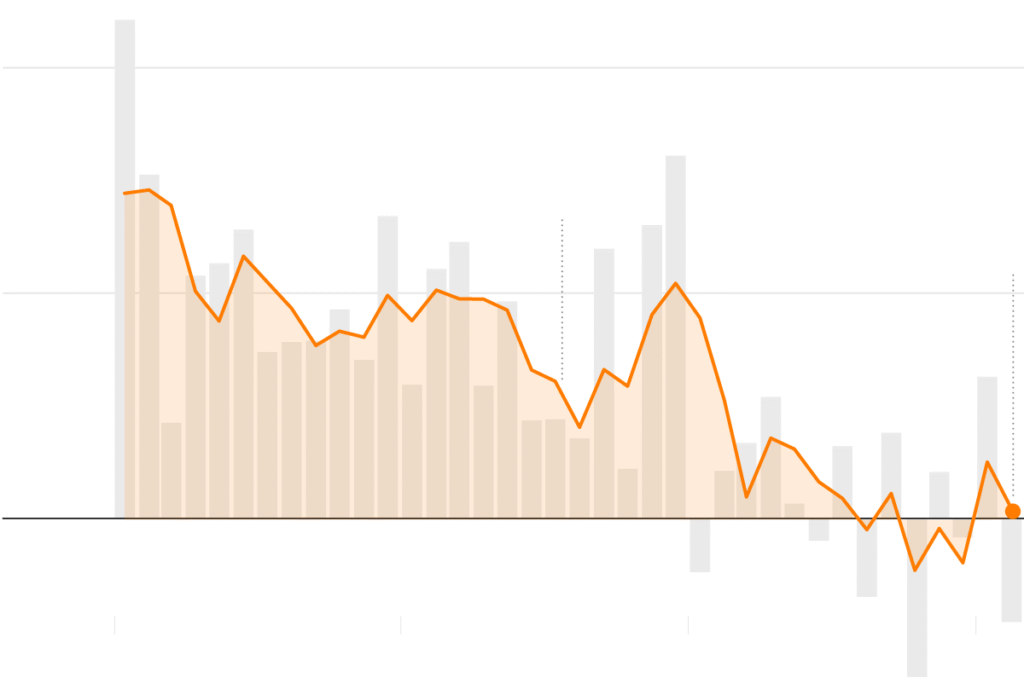
The latest U.S. jobs report is sending mixed signals about the economy. While hiring slowed slightly in February, wage growth remains strong and unemployment continues to stay low. At the same time, rising oil prices and geopolitical uncertainty are raising concerns among economists about the possibility of stagflation—a difficult economic scenario where inflation remains high while economic growth slows.
Understanding these trends is especially important for homebuyers, real estate investors, and mortgage professionals, because shifts in the broader economy directly influence mortgage rates and housing affordability.
In this article, we break down what the latest economic data means and how it could impact the housing market in 2026.
Slower Job Growth in February
According to recent economic analysis, hiring in the private sector slowed during February, partly due to reductions in federal government staffing.
When job growth slows, it can signal that the economy is cooling. However, the current labor market remains relatively strong overall.
Even with slower hiring:
- Unemployment remains low
- Businesses are still hiring
- Wage growth remains positive
This suggests that the labor market is still resilient despite some signs of slowing.
Wage Growth Remains Strong
One of the most important indicators in the latest report is wage growth.
Average wages increased by approximately 3.8%, which is considered a healthy rate of growth. Rising wages can benefit workers because they increase purchasing power. However, strong wage growth can also contribute to inflation pressures if businesses raise prices to offset higher labor costs.
For the housing market, wage growth is important because:
- Higher wages can improve home affordability
- Buyers may qualify for larger mortgage loans
- Consumer confidence tends to increase
But if wages rise too quickly, the Federal Reserve may keep interest rates higher for longer to control inflation.
Rising Oil Prices Raise Concerns About Stagflation
One of the biggest economic risks right now is the recent increase in global oil prices.
Higher energy costs can affect the economy in several ways:
- Increased transportation costs
- Higher prices for goods and services
- Reduced consumer spending
- Pressure on inflation
If oil prices continue rising while economic growth slows, the U.S. could face stagflation, which is a combination of:
- Slow economic growth
- High inflation
- Higher borrowing costs
Stagflation historically creates challenges for both consumers and businesses, and it often leads to higher mortgage rates.
How Stagflation Could Affect Mortgage Rates
Mortgage rates are heavily influenced by inflation expectations and economic growth.
If inflation rises while growth slows, investors often demand higher yields on bonds, which pushes mortgage rates upward.
This could lead to:
- Higher monthly payments for homebuyers
- Reduced housing affordability
- Slower home sales
- Cooling home prices in some markets
For real estate investors, this environment may create both risks and opportunities depending on local market conditions.
A Possible Solution: Increased U.S. Energy Production
Despite the concerns about inflation and oil prices, there is another potential outcome.
If the United States significantly increases domestic oil production and expands exports of liquefied natural gas (LNG), it could help stabilize energy prices.
This would have several positive economic effects:
- Lower inflation pressure
- Reduced energy costs
- Improved economic stability
If inflation falls, mortgage rates could decline, potentially reaching multi-year lows.
Lower mortgage rates would likely boost the housing market by increasing affordability and encouraging more homebuyers to enter the market.
What This Means for the Housing Market
The direction of mortgage rates in 2026 will likely depend on three key factors:
1. Inflation
If inflation continues rising, mortgage rates may stay elevated.
2. Energy Prices
Higher oil prices tend to push inflation higher and increase borrowing costs.
3. Federal Reserve Policy
If inflation slows, the Federal Reserve may eventually reduce interest rates, which could lower mortgage rates.
Opportunities for Real Estate Investors
Even in uncertain economic environments, opportunities often exist for real estate investors who understand market trends.
Potential strategies include:
- Locking in properties before mortgage rates fall
- Investing in rental properties as demand for housing increases
- Targeting markets with strong population growth
- Watching for opportunities if home prices soften
Real estate remains one of the most resilient long-term investment assets, particularly during periods of economic uncertainty.
Final Thoughts
The latest jobs report highlights a complex economic landscape. While job growth has slowed slightly, strong wage gains and low unemployment show that the labor market remains healthy.
However, rising oil prices and geopolitical uncertainty could influence inflation and mortgage rates in the coming months.
If energy production increases and inflation stabilizes, mortgage rates could eventually decline—potentially creating new opportunities in the housing market.
For buyers, investors, and real estate professionals, staying informed about these economic trends will be critical in navigating the housing market in 2026 and beyond.
Keywords
jobs report 2026, mortgage rates forecast 2026, stagflation housing market, oil prices and mortgage rates, housing market outlook 2026, real estate investing during inflation, how inflation affects mortgage rates, real estate economic outlook