
Why this matters: GameStop’s bid for eBay

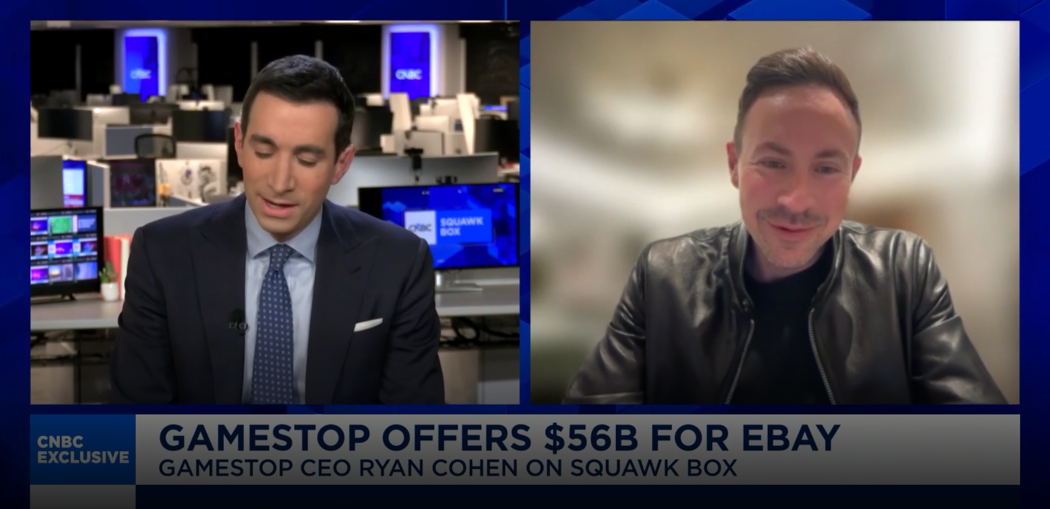
📰 Why this matters: GameStop’s bid for eBay
The big picture:
GameStop’s $55B bid for eBay isn’t just a takeover attempt — it’s a signal that the next phase of e-commerce will be driven by cost discipline + physical infrastructure + community-driven demand, not just digital ad spend.
🔑 1. A direct challenge to the “growth at all costs” playbook
eBay spent $2.4B on marketing to add just ~1M users — effectively flat growth on a 135M base.
- GameStop is explicitly rejecting the idea that more marketing = more users
- Instead, it’s betting on:
- Brand saturation (eBay is already globally known)
- Operational efficiency
- Organic demand via community and distribution
👉 Translation: This is a pivot from user acquisition arbitrage → margin expansion and utilization of existing scale
🏪 2. Physical retail is being revalued — not written off
GameStop’s ~1,600 U.S. stores are positioned as:
- Authentication hubs (high-value resale, collectibles, luxury)
- Intake & fulfillment centers
- Local nodes for “live commerce”
This matters because:
- E-commerce is quietly rediscovering offline trust layers
- Categories like sneakers, collectibles, and refurbished goods require verification + human touch
👉 This mirrors what players like StockX and GOAT built — but at national retail scale
💰 3. The real thesis is cost structure, not revenue growth
GameStop is underwriting the deal on $2B in cost cuts, not top-line expansion:
- $1.2B from marketing
- $300M from product
- $500M from G&A
Impact:
- EPS jumps from $4.26 → $7.79 purely from cost actions
👉 This is classic private equity logic applied to a public mega-cap
- Strip inefficiencies
- Re-rate earnings
- Let multiple expansion do the rest
🧠 4. Ryan Cohen is exporting the GameStop playbook
Under Ryan Cohen:
- SG&A cut ~47%
- Turned losses into profitability
- No salary, equity-aligned incentives
Now he’s applying that same model to eBay:
- Cut excess spend
- Focus on core marketplace utility
- Align incentives with shareholders
👉 Markets will read this as a bet on operator-driven alpha vs. platform inertia
🌐 5. Signals a new consolidation wave in marketplaces
If this deal progresses, it reframes the competitive landscape:
- Legacy marketplaces (eBay) → under-optimized assets
- Turnaround operators (GameStop) → new consolidators
Implication:
- Other platforms could become targets if:
- Growth is stagnant
- Costs are bloated
- Brand is already established
🧩 6. Community + commerce is the hidden angle
GameStop’s edge isn’t just stores — it’s culture:
- Retail investor base
- Gaming/collector community
- High engagement, identity-driven users
Combined with eBay:
- Massive supply (sellers)
- Global demand
- Layered with community-driven demand loops
👉 This starts to look less like a marketplace… and more like a social commerce ecosystem
⚖️ The bottom line
This deal isn’t about GameStop buying eBay — it’s about redefining how large marketplaces create value:
- Less spend, more efficiency
- Digital + physical integration
- Community as a growth engine
- Operator-led transformations
If it works, it could reset expectations for every mature internet platform.
If it fails, it reinforces how hard it is to rewire a legacy marketplace — even with scale, capital, and conviction.







Wow, qué interesante! Gracias!