
Why H&R Block Launched Spruce Mobile Banking (And How It Makes Money)

Introduction: From Tax Prep to Fintech Platform
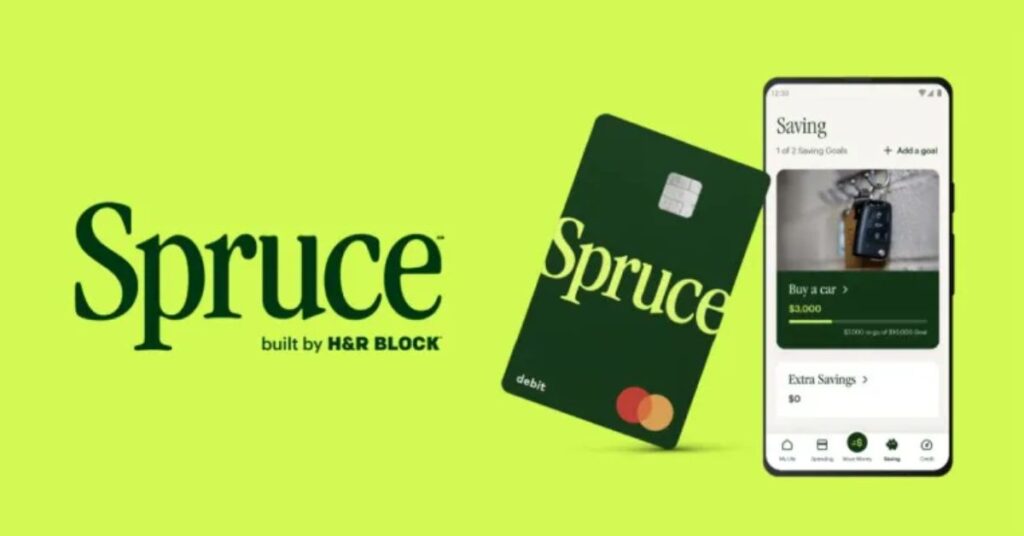
H&R Block launched Spruce to transform its business from a seasonal tax service provider into a year-round financial platform.
For decades, H&R Block made money primarily during tax season. But with the rise of fintech companies like Chime and Cash App, the company recognized a major shift:
👉 The real opportunity is not just preparing taxes…
👉 It’s owning the customer’s financial relationship year-round
The Core Strategy: Own the Refund → Own the Customer
The most important financial moment for millions of Americans is their tax refund.
Before Spruce:
- Refunds were sent to external banks
- H&R Block lost visibility and control
After Spruce:
- Refunds land directly inside the app
- H&R Block controls the cash flow moment
This allows them to:
- Encourage saving and spending inside their ecosystem
- Offer financial products immediately
- Increase long-term engagement
💡 Whoever controls the refund controls the relationship.
Why Spruce Was Created
1. Increase Customer Lifetime Value (LTV)
Instead of earning once per year, Spruce allows H&R Block to:
- Monetize customers 12 months a year
- Build recurring engagement
- Cross-sell financial products
2. Capture Deposits
Spruce enables H&R Block to:
- Hold customer balances (via partner banks)
- Capture direct deposits (paychecks + refunds)
- Keep money inside their ecosystem
Instead of funds going to:
- Wells Fargo
- Bank of America
👉 They stay within Spruce
3. Compete with Fintech Ecosystems
Companies like:
- Intuit (TurboTax + Credit Karma)
- SoFi
…are building full financial ecosystems
Spruce is H&R Block’s response:
👉 From “tax preparer” → “financial platform”
4. Turn Tax Offices Into Financial Hubs
Spruce bridges:
- Physical tax offices
- Digital banking
This is a powerful hybrid model:
👉 In-person trust + digital scalability

How Spruce Makes Money (Unit Economics Explained)
Spruce operates like a neobank, meaning it doesn’t rely on traditional banking fees. Instead, it uses multiple revenue streams:
💳 1. Interchange Revenue (Primary Driver)
Every time a customer uses their Spruce debit card:
- Merchant pays a fee (~1%–2%)
- A portion goes to H&R Block
Example:
- Customer spends $1,000/month
- ~1.5% interchange = $15 revenue
- Multiply by millions of users = massive scale
👉 This is the core engine of most fintech apps
💰 2. Net Interest Revenue (Float)
Spruce partners with banks to hold deposits.
They earn:
- Interest on customer balances (float)
- Share of interest margin from partner banks
Example:
- $500 average balance × millions of users
- Earn spread between what bank pays vs earns
⚡ 3. Refund Advances & Financial Products
H&R Block can offer:
- Refund advances
- Short-term lending
- Installment products
These generate:
- Origination fees
- Interest income
🏦 4. Cross-Selling High-Margin Services
Once money is inside Spruce, they can sell:
- Tax preparation services
- Financial planning tools
- Credit-building products
👉 Customer acquisition cost (CAC) is already paid during tax season
📊 5. Data Monetization & Targeting
With transaction-level data, they can:
- Personalize offers
- Improve conversion rates
- Increase product adoption
Simple Unit Economics Model (Per Customer)
Let’s break it down:
- Monthly spend: $1,000
- Interchange (~1.5%): $15
- Annual interchange: $180
- Interest spread: ~$20–$50/year
- Cross-sell products: $100–$300/year
👉 Total potential LTV: $300–$600+ per user annually
Now scale that across millions of users 👇
👉 This becomes a multi-billion dollar opportunity
Strategic Insight: This Mirrors the Negozee Vision
What H&R Block is doing with Spruce is exactly aligned with:
👉 Negozee “Centros Financieros”
Where:
- Tax office = entry point
- Then expands into:
- Banking
- Loans
- Insurance
- Wealth building
How negozee Can Apply This Model
Imagine each Centro Financiero:
- Client files taxes
- Refund lands into a branded fintech account
- Then immediately offered:
- Mortgage pre-approval
- Business loans
- Insurance
- Credit building
💡 This turns:
👉 A $300 tax client
Into
👉 A $3,000–$10,000 lifetime client
Final Thoughts
Spruce wasn’t just about banking.
It was about:
- Owning the cash flow moment (tax refund)
- Capturing deposits and spending behavior
- Expanding into a full financial ecosystem
👉 In simple terms:
H&R Block realized the tax return is not the business…
…it’s the gateway to the entire financial relationship.


Amazing