
How Bawi Turned Latino Culture Into a Fast-Growing Beverage Brand

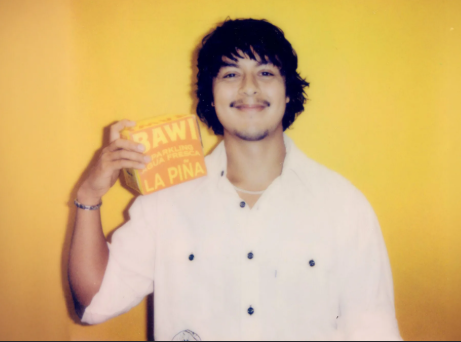
For years, the Hispanic beverage category in the United States was largely overlooked by mainstream consumer packaged goods (CPG) companies. While Latino flavors dominated household kitchens and family gatherings, major beverage innovation often ignored the category entirely.
That is exactly the opportunity that entrepreneur Victor Guardiola saw while studying at The University of Texas at Austin and working at a local startup.
Instead of seeing Latino culture as a niche market, Guardiola saw it as one of the largest untapped opportunities in modern CPG.
Today, Bawi Agua Fresca has become one of the fastest-growing culturally driven beverage brands in America — proving that authentic representation can become a powerful competitive advantage.
What Is Bawi Agua Fresca?
Bawi Agua Fresca is a sparkling agua fresca brand inspired by traditional Mexican flavors but designed for modern health-conscious consumers.
The company offers flavors like:
- La Piña
- La Guayaba
- La Maracuyá
- El Limón
Unlike many traditional Hispanic beverages loaded with sugar and artificial ingredients, Bawi positioned itself as a “better-for-you” beverage brand with cleaner ingredients and lower calories. (UT Austin News)
The company’s mission was simple but powerful:
Create a beverage that authentically represented Latino culture while fitting into the modern wellness and premium beverage market.
The Problem Victor Guardiola Identified
While attending college in Austin, Guardiola noticed something unusual.
The food industry heavily associated Hispanic consumer products with only a few categories:
- Chips
- Salsa
- Tortillas
- Traditional grocery staples
But the Latino beverage category remained largely underdeveloped at scale. (UT Austin News)
Meanwhile, Hispanic consumers represented one of the fastest-growing demographics in the United States.
Guardiola believed the market was missing something important:
A modern Latino beverage brand built with pride, quality, and authentic cultural identity.
Instead of hiding cultural roots, Bawi leaned directly into them.
The website even offers language options in:
- English
- Spanish
- Spanglish
That branding strategy became part of the company’s identity and differentiation. (Bawi Agua Fresca)
Building Bawi Without Friends-and-Family Money
Like many first-generation founders, Guardiola did not come from wealth or startup connections.
He spent roughly a year building relationships and pitching investors from scratch. (UT Austin News)
Eventually, respected Texas entrepreneurs and food-industry leaders believed in the vision.
Early supporters reportedly included:
- The founder of P. Terry’s
- The founder of Torchy’s Tacos
- Early executives connected to Siete Foods
That initial support helped Bawi raise approximately $150,000 to launch operations.
But fundraising was not easy.
According to multiple interviews, Guardiola encountered skepticism rooted in cultural assumptions. Some buyers saw Spanish on the can and assumed the product was only for a niche audience. One investor reportedly told him directly that “Mexicans can’t afford this.”
Instead of changing the branding to appear more “mainstream,” Bawi doubled down on authenticity.
That decision ultimately became one of the company’s biggest advantages.
Why Representation Became a Competitive Advantage
Many companies still treat multicultural branding as a niche strategy.
Bawi took the opposite approach.
The company believed Latino identity itself could become a premium, scalable mainstream brand asset.
That thesis aligned with broader market trends:
- Hispanic consumers continue driving population growth in the U.S.
- Latino purchasing power exceeds trillions of dollars annually
- Younger consumers increasingly seek authentic cultural brands
- Gen Z and Millennials value representation and storytelling in products
Bawi positioned itself at the intersection of:
- Health-conscious beverages
- Cultural authenticity
- Modern premium branding
The result was a brand that resonated beyond only Hispanic consumers.
Bawi’s Rapid Growth
Bawi’s growth trajectory has accelerated quickly.
Reported company revenue figures include:
- Approximately $370,000 in 2024
- Roughly $1.2 million in 2025
- A projected $4 million annual run rate in 2026
The brand is now available in 44 states and has expanded into retailers such as:
- Whole Foods
- Sprouts
- Central Market
- Tom Thumb
The company also raised a reported $3.5 million seed round to support future expansion. (Forbes)
The Rise of Latino-Led CPG Brands
Bawi represents a larger movement happening inside the consumer products industry.
For decades, many Hispanic-focused brands were either:
- Underfunded
- Poorly distributed
- Positioned as “ethnic aisle” products
Today, a new generation of Latino founders is changing that narrative.
Brands are increasingly being built around:
- Premium positioning
- Authentic storytelling
- Cultural pride
- Mainstream distribution
Companies like Siete Foods helped prove that Latino-focused brands could scale nationally without losing their identity.
Bawi appears to be following a similar blueprint within beverages.
Why Bawi’s Story Matters for Entrepreneurs
Victor Guardiola’s journey highlights several important business lessons:
1. Representation Is Not a Weakness
For years, many founders were told to “water down” cultural branding to appeal to larger audiences.
Bawi did the opposite.
The company embraced:
- Spanish branding
- Mexican-inspired flavors
- Latino storytelling
- Cultural nostalgia
That authenticity became part of the product’s appeal.
2. Niche Markets Can Become Mass Markets
What investors initially viewed as “too niche” may actually represent massive underserved demand.
Latino consumers are one of the most influential economic groups in the United States.
Companies that understand the culture deeply often create stronger emotional connections with customers.
3. Relationship Capital Matters
Guardiola frequently discusses the importance of networking, cold outreach, and relationship building. (Hispanic Executive)
Without inherited wealth or insider connections, he built his network manually — email by email, meeting by meeting.
That persistence helped open doors that traditional venture ecosystems often reserve for privileged founders.
The Future of Hispanic Consumer Brands
The success of brands like Bawi signals a broader shift inside American business.
Latino consumers are no longer simply a demographic category.
They are becoming a defining force shaping:
- Food trends
- Beverage innovation
- Retail merchandising
- Brand storytelling
- Consumer culture
The next decade will likely produce far more Hispanic-led brands competing at national scale.
And companies that authentically understand Latino consumers may have a structural advantage over legacy corporations trying to market from the outside.
Bawi’s story shows that cultural identity does not limit growth.
In many cases, it accelerates it.





Responses