The Secret Behind Costco’s Success: Intentional Hard Trade-Offs

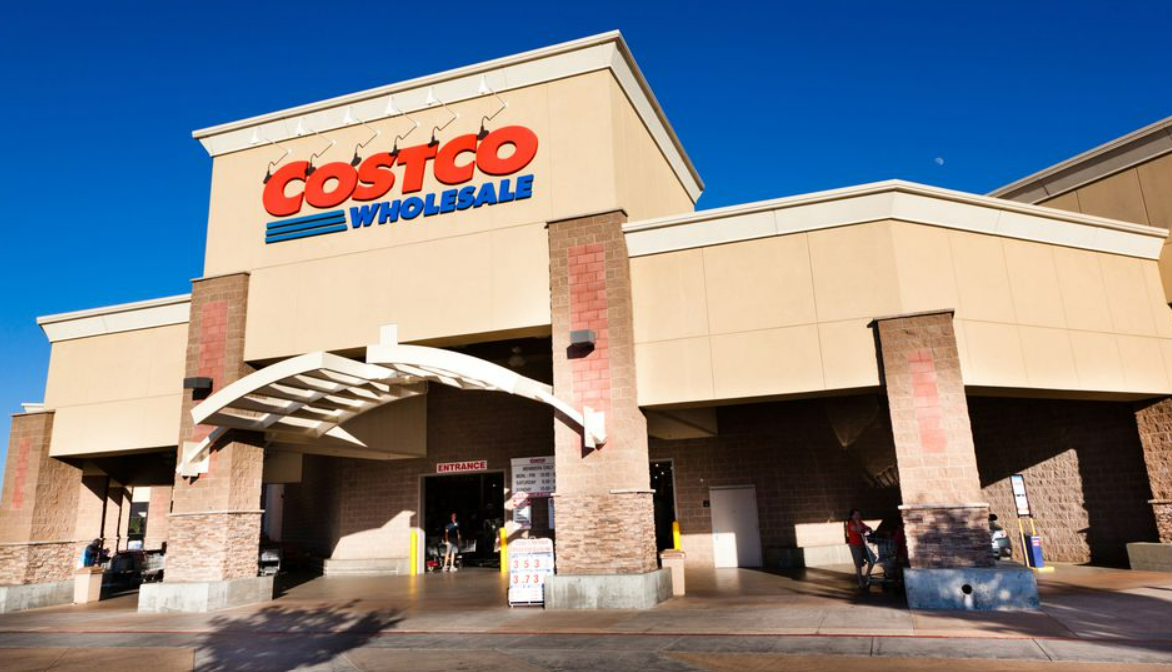
Costco’s success is built on a high-volume, low-markup model fueled by paid memberships (roughly 145.9 million+ members as of 2026), generating massive sales of $269.9 billion and high 91% renewal rates.
Why Costco Wins Through Hard Trade-Offs
Most retailers try to maximize everything:
- More products
- Higher margins
- Lower labor costs
- More advertising
- Faster growth
- Bigger profits per transaction
Costco chose the opposite path.
The success of Costco is not based on one innovation. It comes from a system of intentional sacrifices — hard trade-offs that reinforce each other into what investors and operators often describe as a “closed economic loop.”
That is why Costco has become one of the most admired retailers in the world.
Costco’s Strategy Is Built on Saying “No”
Most retail companies compete by adding complexity.
Costco competes by removing it.
Traditional grocery stores and retailers may carry 50,000 to 150,000 products. Costco carries roughly 3,800–4,000 SKUs.
That sounds limiting — but it creates massive operational leverage.
By selling fewer products, Costco can concentrate enormous purchasing power into each item. The result:
- Higher sales volume per SKU
- Better supplier pricing
- Faster inventory turnover
- Simpler logistics
- Stronger negotiating leverage
Costco reportedly sells about 15x more volume per item than traditional retailers.
This is one of the company’s most important trade-offs:
Less selection → More efficiency → Lower prices → Higher loyalty
Most retailers fear limited selection.
Costco weaponized it.
The 14% Margin Cap: Choosing Loyalty Over Short-Term Profit
One of Costco’s most famous internal rules is its markup cap.
The company generally limits markups to around 14% on branded products and even lower on some private-label goods.
That is extraordinarily low for retail.
Many retailers would view this as leaving money on the table.
Costco views it differently.
The company understands that every unnecessary price increase weakens trust with members.
Over time, Costco created what many consumers describe as a “treasure chest” or even “Disneyland-like” shopping experience where customers believe:
“If Costco sells it, it’s probably a good deal.”
That trust becomes a moat.
The trade-off is clear:
Lower margins today → Higher customer trust tomorrow
Most businesses optimize for quarterly profits.
Costco optimized for long-term customer loyalty.
High Wages Were Not Charity — They Were a Business Strategy
Another major Costco trade-off is labor.
Retail is infamous for low wages and high employee turnover.
Costco went in the opposite direction.
The company historically paid employees significantly above industry averages while also offering strong benefits and internal promotion opportunities.
Wall Street initially criticized this approach because higher wages reduce short-term margins.
But Costco discovered something powerful:
Better-paid employees are more productive, more loyal, and more operationally efficient.
Benefits included:
- Lower turnover
- Reduced hiring costs
- Better customer service
- Faster warehouse operations
- Higher employee morale
- Stronger institutional knowledge
Over time, this created a labor productivity advantage that many analysts believe made Costco substantially more profitable per employee than competitors.
This is one of Costco’s most misunderstood trade-offs:
Higher labor costs → Lower operational chaos
Costco sacrificed short-term accounting optics to create long-term operational superiority.
Costco Barely Advertises — And That’s Intentional
Most retailers spend billions on advertising.
Costco spends remarkably little relative to its size.
Instead, Costco relies on:
- Word of mouth
- Member referrals
- Scarcity
- Rotating inventory
- “Treasure hunt” psychology
The famous “treasure hunt” strategy means shoppers never fully know what they will find during a visit.
Luxury handbags.
Japanese whiskey.
Electronics.
Gold bars.
Seasonal products.
Furniture.
Designer apparel.
Inventory rotates constantly.
This creates urgency and excitement.
Customers feel compelled to visit frequently because the product may disappear next week.
The trade-off:
Less advertising spend → More organic consumer excitement
Costco replaced marketing budgets with behavioral psychology.
The Membership Model Changes Everything
Perhaps Costco’s most important innovation is the membership model.
Unlike traditional retailers that rely almost entirely on product markups for profits, Costco generates a massive portion of operating income from annual membership fees.
That changes the economics of the entire business.
Because membership revenue is so valuable, Costco can afford to keep retail prices extremely low.
This creates alignment between Costco and its members.
Most retailers profit when customers spend more.
Costco profits when customers renew memberships.
That changes company behavior dramatically.
The incentive becomes:
- Maximize trust
- Deliver value consistently
- Increase shopping frequency
- Protect the member relationship
The result is a self-reinforcing loop:
- Low prices attract members
- Membership fees fund low margins
- Low margins increase customer loyalty
- Loyalty increases renewal rates
- Renewal revenue strengthens pricing power
This is why Costco often feels less like a traditional retailer and more like a membership ecosystem.
Costco’s Real Competitive Advantage: System Design
Many companies copy pieces of Costco.
Very few can copy the full system.
Competitors may attempt:
- Bulk pricing
- Memberships
- Better wages
- Limited inventory
- Private-label products
But Costco’s advantage comes from how all the trade-offs connect together.
The model works because each decision reinforces another decision.
For example:
- Limited SKUs improve supplier leverage
- Supplier leverage enables lower prices
- Lower prices improve membership retention
- Membership revenue offsets lower margins
- High retention improves purchasing predictability
- Predictability strengthens inventory efficiency
This creates what strategists call a reinforcing flywheel.
Costco is not simply a warehouse retailer.
It is an integrated economic system.
The Hidden Lesson Behind Costco’s Success
The biggest lesson from Costco is not retail.
It is strategy.
Great companies are often defined less by what they choose to do — and more by what they intentionally refuse to do.
Costco refused to:
- Maximize short-term margins
- Over-expand product selection
- Underpay workers
- Depend heavily on advertising
- Optimize for quarterly earnings at the expense of trust
Those decisions looked irrational in isolation.
Together, they built one of the most durable retail businesses in modern history.
Why Costco’s Trade-Offs Matter in Business Strategy
The Acquired podcast episode on Costco highlights an important truth about business:
Sustainable success rarely comes from a single tactic.
It comes from coherent trade-offs.
Costco demonstrates that the strongest companies often build competitive advantage by designing systems where:
- Customers win
- Employees win
- Suppliers win
- The company wins over the long term
That alignment is difficult to replicate.
And that may be Costco’s greatest moat of all.