Why a Spanish-Speaking U.S. Secretary of State Is Good for the American Economy

And Why It Matters for American Business Owners
In today’s interconnected economy, diplomacy and business are deeply intertwined. When the U.S. Secretary of State speaks Spanish, it’s not just a cultural advantage — it’s an economic one.
With over 60 million Latinos living in the United States and more than 40 million Spanish speakers nationwide, the U.S. is already one of the largest Spanish-speaking countries in the world. That reality makes Spanish fluency at the highest levels of government both a domestic economic strength and a global competitive advantage.
A Spanish-speaking Secretary of State helps strengthen trade, accelerate negotiations, reduce friction in international business, and open doors for American entrepreneurs.
1. Stronger Trade Relationships Mean Stronger U.S. Businesses
Latin America is one of the United States’ largest trading regions. Countries like Mexico, Colombia, Chile, Peru, and others represent critical markets for:
- Agriculture
- Energy
- Manufacturing
- Technology
- Financial services
- Infrastructure
When diplomatic leaders speak Spanish, negotiations move more efficiently. Nuances are better understood. Trust is built faster.
For American business owners, that means:
- Fewer trade misunderstandings
- Faster deal-making
- Stronger bilateral agreements
- More predictable business environments
Clear communication at the diplomatic level translates directly into smoother international commerce.
2. Reduced Barriers = Lower Costs for American Companies
Miscommunication in international negotiations can delay agreements, create regulatory confusion, or result in costly disputes.
A Secretary of State who speaks Spanish can:
- Clarify regulatory expectations
- Address trade concerns immediately
- Resolve disputes before escalation
- Strengthen compliance cooperation
For U.S. exporters and investors, this reduces uncertainty — and uncertainty is expensive.
Stability lowers risk. Lower risk encourages investment.
3. Expanding Opportunities for Small and Mid-Sized Businesses
Large corporations often have international teams and in-house translators. Small and mid-sized American businesses often do not.
When U.S.–Latin American relations are strong and clearly communicated, it creates:
- More accessible export opportunities
- Stronger cross-border partnerships
- Clearer regulatory frameworks
- Improved confidence for new market entry
Diplomatic fluency strengthens economic pathways that smaller American companies rely on to expand globally.
4. The U.S. Latino Market: An Economic Powerhouse
Spanish fluency in leadership isn’t only about foreign markets — it’s about domestic growth.
The Latino population in the United States represents:
- Over 60 million consumers
- One of the fastest-growing entrepreneurial groups
- A multitrillion-dollar economic force
Latino-owned businesses are growing at faster rates than the national average. Spanish-speaking leadership signals recognition of this economic power.
When high-level officials communicate in Spanish, it reinforces inclusion and economic engagement with one of America’s most dynamic consumer and business segments.
5. Competitive Advantage Against Global Rivals
Latin America has become a strategic economic battleground. China, in particular, has significantly expanded trade and infrastructure investments throughout the region.
When U.S. leadership demonstrates linguistic and cultural fluency, it:
- Strengthens alliances
- Reinforces trust
- Positions American businesses more favorably
- Encourages regional partners to prioritize U.S. trade
In competitive global markets, relationships matter. Language accelerates relationships.
6. Immigration, Workforce Stability, and Economic Growth
Economic growth depends on workforce stability. Many U.S. industries — agriculture, construction, hospitality, healthcare, and logistics — rely heavily on Latino workers.
Direct Spanish communication improves:
- Regional migration coordination
- Workforce agreements
- Crisis response
- Cross-border policy clarity
Clear communication reduces confusion that can disrupt industries dependent on international labor dynamics.
7. Marco Rubio as an Example of Economic Engagement
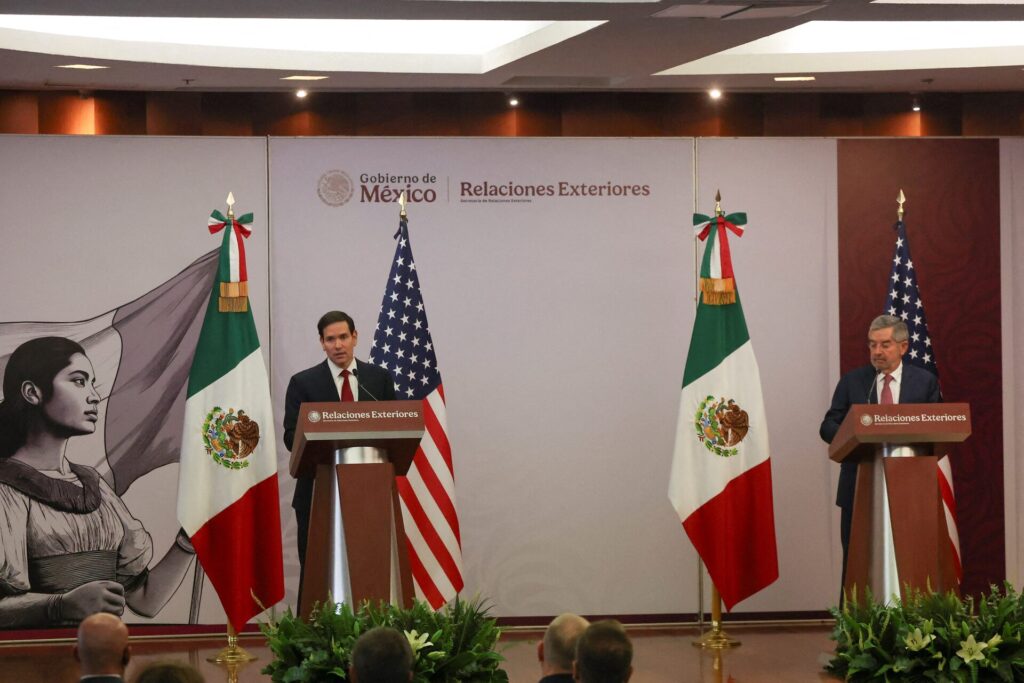
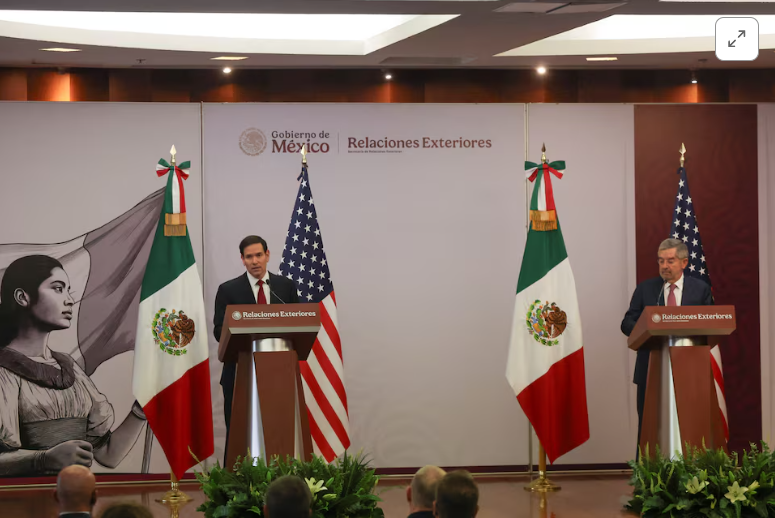
A strong example of bilingual leadership is Marco Rubio, who is fluent in Spanish.
His ability to communicate directly with Spanish-speaking leaders and communities demonstrates how language fluency enhances diplomatic credibility and economic outreach.
Whether addressing Latin American governments or Hispanic business communities in the United States, bilingual leadership bridges economic ecosystems that are already deeply connected.
8. Business Is Built on Relationships — And Relationships Are Built on Language
At its core, business is about trust. Trust grows faster when communication feels direct and authentic.
A Spanish-speaking Secretary of State:
- Builds rapport with Latin American partners
- Strengthens investor confidence
- Encourages cross-border entrepreneurship
- Reflects the multicultural strength of the U.S. economy
In a nation that is itself one of the largest Spanish-speaking countries in the world, linguistic fluency at the highest levels of leadership reflects economic reality.
Conclusion: Good Diplomacy Is Good Business
When the U.S. Secretary of State speaks Spanish, it sends a powerful message:
- To Latin America: we are serious partners.
- To American businesses: we are strengthening your global pathways.
- To Latino entrepreneurs: you are central to America’s economic future.
Diplomacy drives trade.
Trade drives business growth.
Business growth drives the American economy.
In today’s Western Hemisphere economy, Spanish fluency isn’t symbolic.
It’s strategic. And it’s good for American business.